Puget Sound winters are not arctic, but they are long, damp and relentless from November through April. If your garage is attached to the house, the garage door is very likely the biggest thermal hole in the entire building. Here is where the heat actually goes and what changes when the door is insulated.
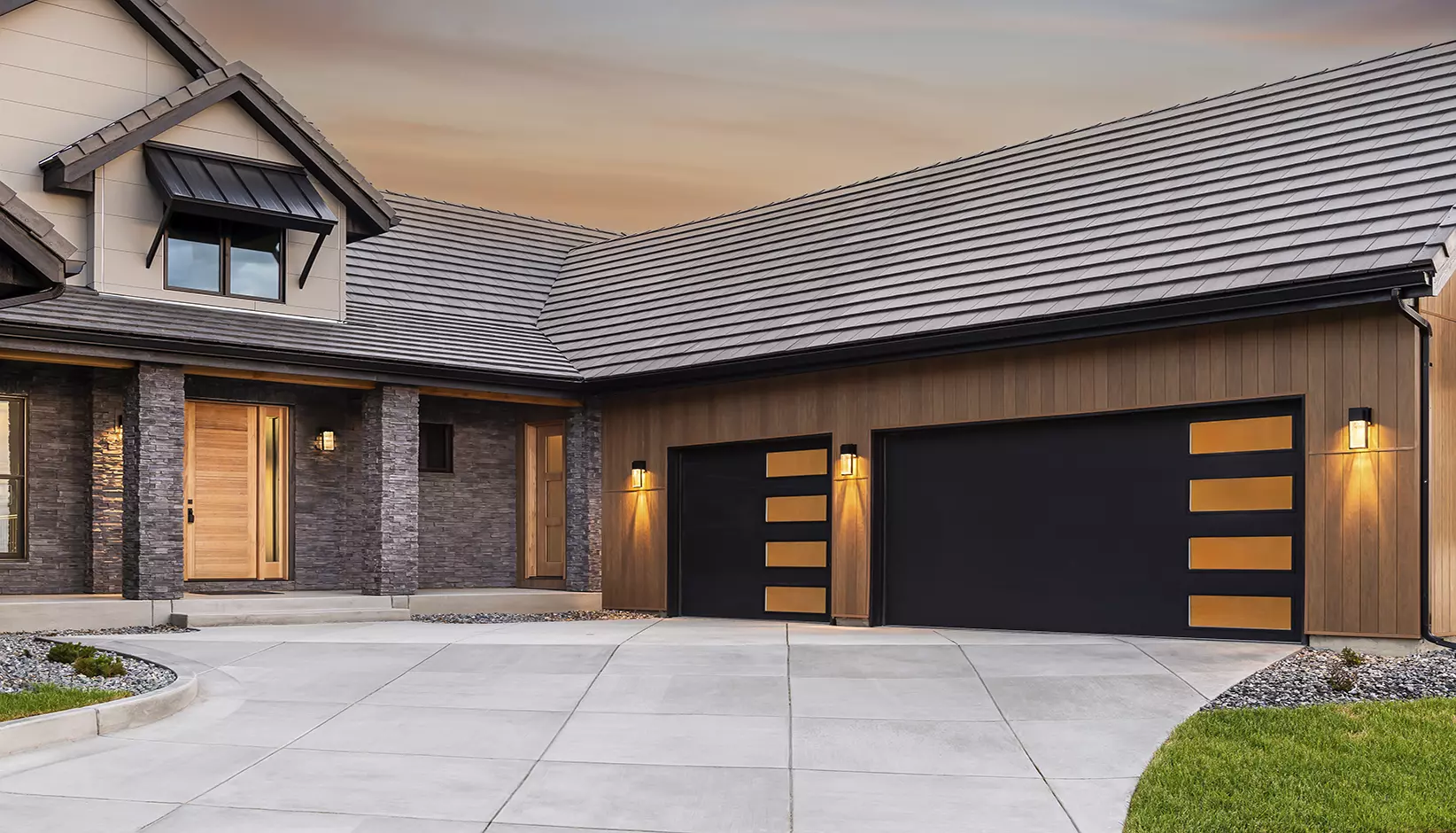
Why does the garage door matter more than the garage walls?
A typical double door is around 110 square feet, bigger than most picture windows by a factor of five. The walls of your garage are framed and often insulated; a single-layer steel door is effectively a metal radiator connecting your garage to the weather. On a 40-degree Kent morning, an uninsulated garage sits within a few degrees of outside. Everything the house shares with that space, the wall behind the water heater, the bedroom floor above, the ducts crossing the ceiling, fights that cold all season.
What actually changes with an insulated door?
- The buffer warms up. An insulated, properly sealed door typically holds an attached Puget Sound garage well above outdoor temperature in winter, instead of a degree or two above it.
- The house wall works less. Heat loss scales with temperature difference. Warm the garage side and the shared wall, floor and ducts all leak less.
- Condensation drops. Damp is the Northwest tax. A warmer garage means less moisture filming on cars, bikes and tools.
- Summer works too. The same core keeps July heat out, which matters more each year around here.
What should Puget Sound homeowners fix first?
Honest order of operations: fresh bottom rubber and perimeter seals first if the door is staying, because air leaks beat conduction for cheap fixes. But if the door is single-layer steel, the panel itself is the main event, and a new insulated door gets installed with new seals as part of the job. We will tell you plainly which camp your door is in; that is a free look anywhere in King or Pierce County. Call (253) 859-2318, request a visit, or start with the 30-second repair-or-replace check.
Frequently asked questions
How much energy does an attached garage lose through the door?
The door is usually the largest, weakest opening in the house. Uninsulated, it lets the garage track outdoor temperature, so every shared surface works harder all winter.
Will an insulated door lower my heating bill?
If the garage is attached and the current door is uninsulated, yes, the shared surfaces leak less. The gain is biggest with bedrooms or ducts over the garage.
Door, seals or walls first?
Seals are the cheap always-yes. A single-layer door is the big hole; replace it and the sealing comes with the install.
Browse insulated options in the Clopay residential lineup or see what they look like on real installs around Puget Sound.